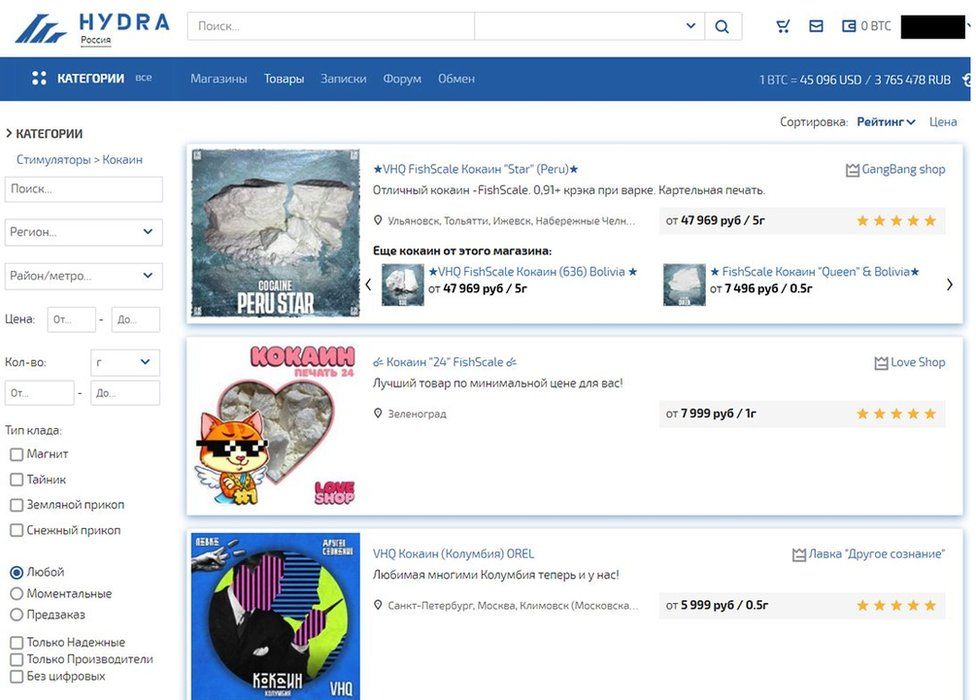
Unveiling Underbelly of the Web: Exploring Shadowy Web Markets
In the corners of the web lies a secret world that exists outside the reach of traditional search engines and social media platforms. This is the domain of the dark web, a part of the web that is often linked to anonymity and illicit activities. Dark web markets have captured considerable attention in the past few years, luring a mix of curious explorers, cybercriminals, and those seeking items and services that are difficult to locate on the surface web.
As people delve into the complexities of the dark web, they find different marketplaces that deal in everything from licit drugs to stolen data. These markets function on the principle of secrecy, using encryption and other technologies to protect the identities of buyers and sellers. However, this shroud of anonymity raises important questions about legality, ethics, and the consequences of engaging in such transactions. Exploring the dark web provides a glimpse into one of the most contentious and misconstrued aspects of the web, exposing both the allure and the dangers of this secret landscape.
Understanding the Shadow Web
The dark web is a part of the web that is not indexed by conventional search engines, making it challenging to reach for many individuals. It needs special software, such as Tor, to enter and explore, providing secrecy to individuals and permitting them to participate in activities that can be both lawful and illegal. This secret realm encourages a sense of confidentiality and protection, attracting a varied range of people, including whistleblowers, advocates, and people looking to evade watchful eyes.
Within the dark web, a diversity of markets have arisen, concentrating in the sale of items and services that range from the benign to the criminal. These markets often work on a digital currency basis, guaranteeing transactions continue to be discreet and secure. While certain dark web markets concentrate on privacy-related tools, some may trade in illegal drugs, firearms, or stolen data, establishing an atmosphere that is both fascinating and dangerous.
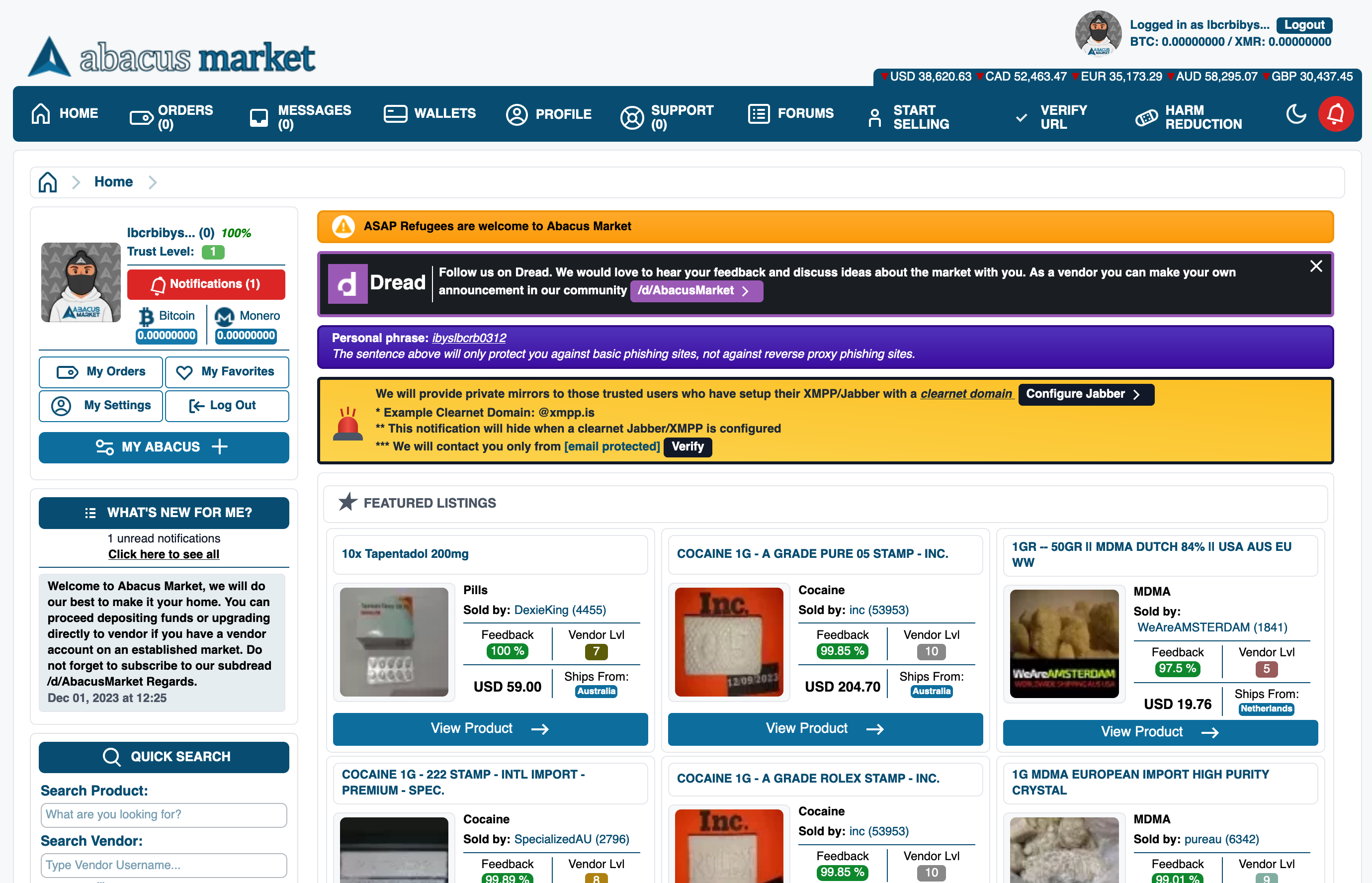
Understanding the hidden web is vital in evaluating the broader ramifications of its presence. While darknet markets links serves as a sanctuary for lawful pursuits, such as open discourse in repressive regimes, it simultaneously presents significant obstacles to police and society at large. Tackling the challenges of the dark web requires a nuanced approach that measures the need for protection with the entitlements to confidentiality and open dialogue.
The Economics of Dark Web Markets
This underworld operates on a unique business model that differs substantially from standard markets. One of the defining features is the use of digital currencies, which enable buyers and sellers to conduct transactions anonymously. This anonymity encourages a feeling of safety among users, allowing them to engage in potentially illegal activities without worry of detection by authorities. The growth of virtual currencies like Bitcoin and Monero has further enhanced this environment, making deals quick and not as vulnerable to traditional banking laws.
The balance of supply and demand on the dark web are intriguing. Marketplaces often exhibit a broad array of items and services, ranging from illegal drugs and fake goods to hacking services and personal information. This range attracts a mixed user base, driving contestation among vendors. Some vendors thrive on credibility and customer reviews, while others rely on aggressive pricing strategies. The rivalry often leads to creativity in goods provided and support methods, even in this underground economy.
Nonetheless, the volatile nature of dark web markets presents significant hazards. Police continuously scrutinize these platforms, leading to occasional enforcement actions that can disrupt market equilibrium suddenly. Marketplaces may disappear or be confiscated, causing sellers and buyers to lose their capital suddenly. Moreover, the presence of con artists can create distrust among users, prompting a conservative method to purchasing. Thus, even though the appeal of secrecy and informal markets attracts many, players in these markets must deal with a challenging terrain of unpredictability and danger.
Dangers and Outcomes of Deep Web Engagement
Involvement with dark web markets poses significant dangers, on legal and personal levels. One of the primary worries is the legal repercussions associated with buying or dealing in illegal goods and offerings. Authorities have become increasingly adept at pursuing activities on the dark web, leading to arrests and sentences for those participating in illegal transactions. Users may find themselves dealing with severe consequences, including substantial fines and long prison sentences.
In also to legal risks, navigating the dark web can expose individuals to digital dangers. The anonymity and unregulated nature of dark web markets attract a diverse array of harmful actors, such as cybercriminals and scammers. Users may suffer from theft, economic scams, or additional digital crimes. Additionally, engaging in these platforms can lead to a erosion of personal security, as individuals may unknowingly reveal private details or face graphic or disturbing content.
Finally, the emotional repercussions of engaging with dark web markets should not be dismissed. The nature of the products and items often found there can be disturbing, leading to emotional distress or numbness to aggression and illegal conduct. This can lead to heightened anxiety and moral dilemmas, creating a conflict between personal values and the allure of anonymity and liberty that the dark web offers. Overall, these aggregated threats illustrate the hazardous field of deep web engagement.